.jpg)
.jpg)
Food, Film, K-Dramas, and Idols — When Dishes Tell Stories
More than once, while watching a late-night K-drama episode, a single scene of a character eating in a small roadside restaurant is enough to make your stomach growl. A steaming bowl of noodles, the familiar slurping sound, warm yellow lights — food in Korean dramas isn’t just about eating; it’s about emotion.
Films, especially K-dramas, have turned everyday meals into symbols closely tied to stories, characters, and even the memories of viewers.
When Food Becomes an Indispensable “Supporting Character”
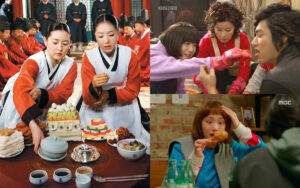
In many Korean dramas, food appears at the most emotionally vulnerable moments: after a long, exhausting day, during heartbreak, or in quiet scenes of family gathering. These dishes are never extravagant, yet they feel deeply real.
-
A hot bowl of noodles on a rainy night
-
A simple table filled with banchan, warm and comforting
-
A gently simmering pot of soup amid slow, heartfelt conversations
At this point, food is no longer just about filling the stomach — it becomes a way to connect people. And that is something Korean dramas portray exceptionally well.
K-Dramas and the Global “Craving Effect”
It’s no coincidence that many Korean dishes have become popular worldwide thanks to films and television. After a successful drama, the food featured can instantly turn into a trend.
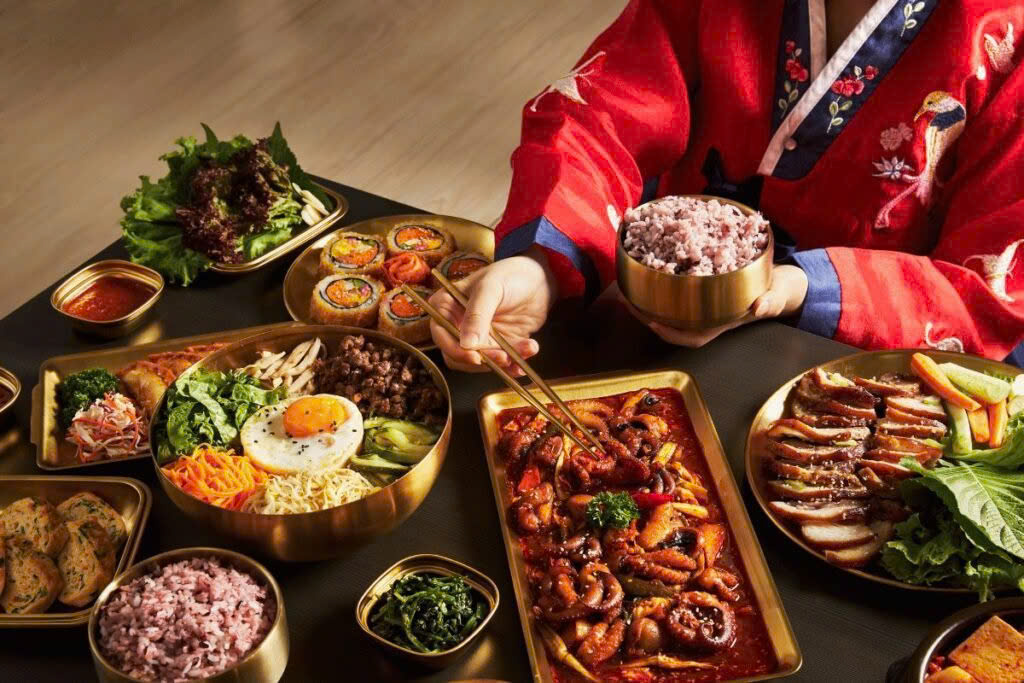
Instant noodles, tteokbokki, Korean fried chicken, bibimbap, seaweed soup — all have had moments of global “breakout” fame through scenes that feel ordinary yet irresistibly captivating. Viewers don’t just want to watch anymore — they want to eat exactly what their favorite characters are eating. That’s the power of combining visuals, storytelling, and food.
Idols and Food — Closer Than the Stage
Beyond dramas, seeing Korean idols enjoy food also creates a sense of closeness. An idol eating late-night ramen, grilling meat with friends, or sharing a simple meal after practice feels incredibly relatable. Food becomes a bridge:
-
Between idols and fans
-
Between glamorous images and real life
It’s this simplicity that makes fans think, “They’re just like us,” and feel even more connected.
When Eating Becomes a Cultural Experience
Eating a dish that appeared in a drama or was loved by an idol isn’t just about food — it’s about reliving the emotions of the story, slowing down for a moment, and connecting with Korean culture in a very personal way. Perhaps that’s why food tied to films and idols has such lasting appeal. In the end, what stays with us isn’t just the taste — but the feeling it brings.
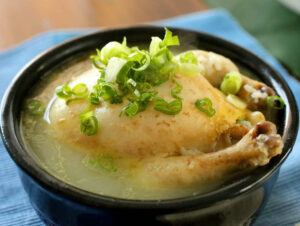
A dish that appears at the right moment, in the right setting, can linger in the mind for a long time — just like a great movie that stays in your heart. When we enjoy those dishes in real life, we’re not just eating to feel full; we’re revisiting emotions, reconnecting with stories we love, and giving ourselves a warm pause amid busy everyday life. And perhaps that’s exactly why food in Korean dramas continues to hold such enduring charm.
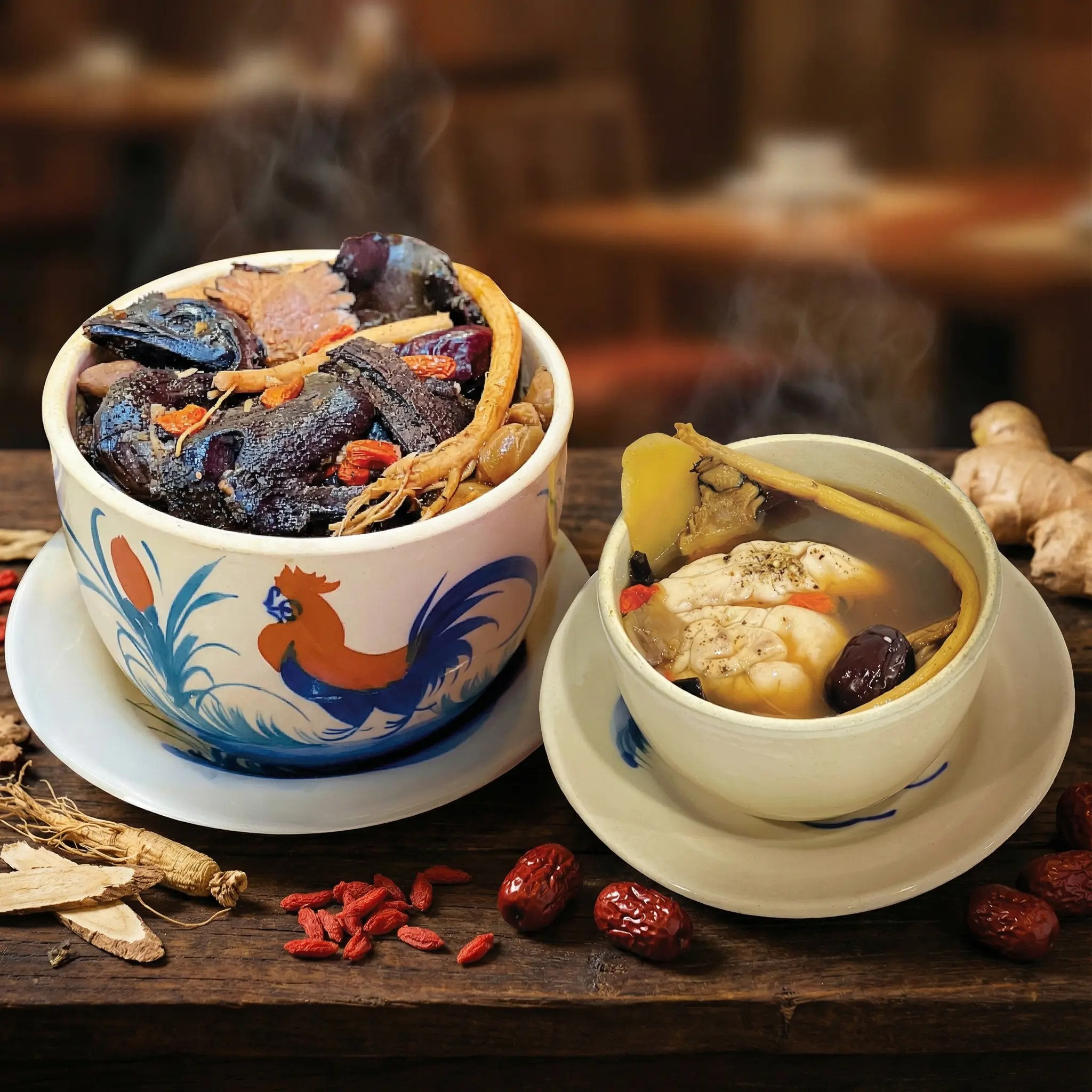
![[NEW] THE “MASTERPIECE” KOREAN GINSENG CHICKEN SOUP (SAMGYETANG): EAT FOR HEALTH, ENJOY FOR LOVE](https://foodlabvina.vn/wp-content/uploads/2026/03/z7589612700656_facbc200099bff538b47a72fc0ab0120-scaled.jpg)